
how much does bulletproof glass cost
Understanding the 4% Foot Level with a Ruler A Practical Approach to Measurement In today’s fast-paced world, understanding measurement is essential in various fields, whether in construction, science, or daily life. One interesting aspect of measurement that often gets overlooked is the concept of the 4% foot level, especially when it involves the use of basic tools like a ruler. This article explores the significance of the 4% foot level, how to accurately measure it, and its practical applications. What is the 4% Foot Level? Before diving into the measurement process, it is crucial to define what is meant by the 4% foot level. This term generally refers to a specific height or angle that is 4% of an elevation typically measured in feet. In many cases, especially in construction and landscaping, the 4% incline is used as a standard for drainage purposes, ensuring that water flows correctly away from structures, preventing flooding or water accumulation. To break it down further, a 4% grade means that for every 100 horizontal units, there is a vertical rise of 4 units. In the context of a 1-foot rise, a 4% incline would effectively mean that for every 25 feet horizontally, the elevation would increase by 1 foot. This simple ratio is essential for creating safe, effective slopes in various settings. Using a Ruler to Measure the 4% Foot Level To measure a 4% grade accurately using a ruler, follow these steps 1. Set Up Your Tool Begin with a standard ruler or measuring tape. A flexible measuring tape may offer advantages in larger areas, while a solid ruler can be excellent for shorter distances. 2. Mark Your Distance Decide the distance over which you want to measure the incline. For instance, if you are working with a length of 25 feet, mark this distance clearly on the ground. 3. Calculating the Rise Use the formula to calculate the rise based on the percentage you need. For a 4% grade over 25 feet, you would need an elevation change of 1 foot. 4 foot level with ruler 4. Use the Ruler Measure 1 foot vertical height from the marked starting point (0 feet) . This point now represents the 4% incline’s height. 5. Connecting the Points Use a straight edge to connect the starting point (0 feet) to your endpoint along the measured horizontal distance. The slope you have created visually represents your desired 4% grade. Applications of the 4% Foot Level Understanding and applying the 4% foot level has practical implications across multiple fields. 1. Construction In building design, ensuring proper drainage is vital. By implementing a 4% slope in driveways, sidewalks, and roofs, builders can direct rainwater away from structures, thereby minimizing damage and increasing structural integrity. 2. Landscaping Vegetation needs adequate drainage to flourish. By utilizing a 4% slope, landscapers can facilitate better water flow, ensuring that plants receive necessary hydration without risk of waterlogging. 3. Road Design Engineers often rely on specific grades like the 4% foot level to create safe roadways that promote effective runoff during rainstorms, ensuring safety for vehicles on the road. 4. Sports Fields In sports field design, a gentle slope can help maintain appropriate drainage and enhance playing conditions. It’s crucial for preventing puddles and maintaining surface integrity. Conclusion The concept of the 4% foot level is simple yet profoundly impactful across various disciplines. Mastering this measurement technique not only enhances practical skills but also contributes to the safety, functionality, and aesthetics of our environments. Whether you are a DIY enthusiast, a landscaping professional, or a construction worker, understanding and applying the 4% foot level with a ruler can lead to better outcomes in your projects.
about
how much does bulletproof glass cost
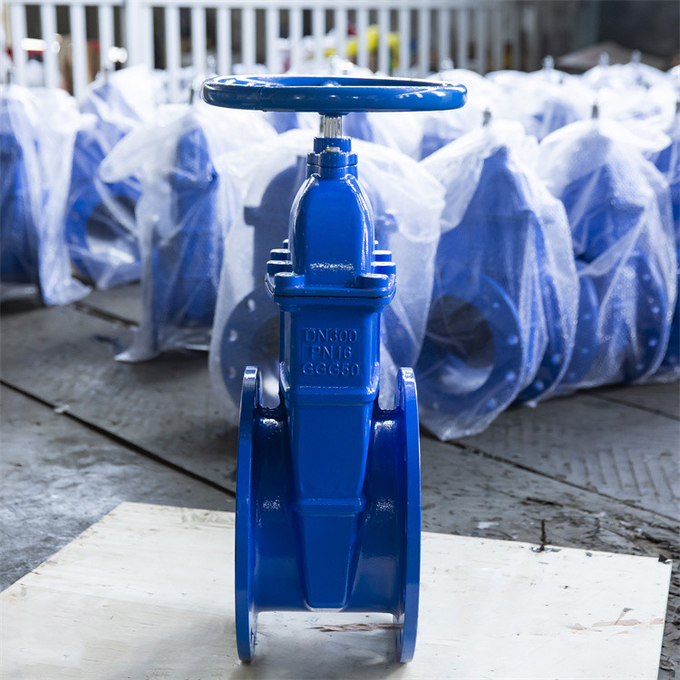
The Importance of 300mm Gate Valves in Industrial Applications Gate valves are essential components in various fluid control systems, especially in industrial applications. Among them, the 300mm gate valve stands out due to its significant size and capabilities. This article delves into the various aspects of 300mm gate valves, including their design, uses, advantages, and maintenance. Design and Functionality A gate valve is designed primarily to start or stop the flow of fluid within a pipeline. The 300mm size indicates a nominal diameter of 300 millimeters, making it suitable for handling substantial volumes of fluids. Typically, these valves feature a wedge-shaped gate that moves up and down within the valve body. When the valve is fully open, the gate is completely retracted, providing minimal resistance to flow. Conversely, when closed, the gate seals tightly against the valve seat, preventing any leakage. These valves are often constructed from robust materials such as cast iron, carbon steel, or stainless steel, ensuring they can withstand the pressures typically encountered in industrial settings. Moreover, the design of a 300mm gate valve allows it to be operated efficiently in a variety of applications, including water distribution, sewage treatment plants, oil refineries, and power generation facilities. Applications The versatility of the 300mm gate valve makes it suitable for numerous applications . In water distribution systems, for instance, it plays a crucial role in controlling water flow through pipelines, ensuring that supplies can be easily managed and redirected as necessary. In the oil and gas industry, these valves are utilized to regulate the flow of crude oil, natural gas, and other petroleum products. Additionally, in sewage treatment and wastewater management, 300mm gate valves are employed to control the flow of sewage and effluents. Their ability to provide a tight seal ensures that unwanted leaks do not occur, which is critical for maintaining environmental standards and preventing contamination. Advantages 300mm gate valve One of the primary advantages of using a 300mm gate valve is its low-pressure drop when fully opened. This characteristic makes it an ideal choice for applications requiring a high flow rate. Unlike other types of valves that create more friction and turbulence, gate valves allow for smooth fluid flow, contributing to system efficiency. Another benefit is their durability and longevity. When properly maintained, a 300mm gate valve can function effectively for many years without significant wear. Their design also minimizes the chances of erosion and corrosion, particularly when made from high-quality materials. Furthermore, these valves are easy to operate. Most are equipped with handwheels or various types of actuators, including electric or pneumatic options, allowing for simple and effective manual or automated operation. Maintenance Considerations While 300mm gate valves are robust and reliable, regular maintenance is crucial to ensure optimal performance. Regular inspections should include checking for any signs of wear, corrosion, or malfunction. It’s important to keep the valve clean and lubricated to prevent blockages and reduce friction during operation. When servicing a gate valve, it is essential to ensure that the valve is completely closed before maintenance work begins. Additionally, it is important to follow manufacturer guidelines regarding disassembly and reassembly to avoid damaging the valve components. Conclusion The 300mm gate valve is a vital element in the efficient functioning of various industrial applications. Its design, versatility, and low-pressure drop make it an ideal choice for controlling fluid flow in large-scale systems. With proper maintenance, these valves can offer reliability and longevity, ensuring seamless operation in critical infrastructure. As industries continue to evolve, the role of gate valves, especially those of larger sizes like the 300mm variant, will remain indispensable. Proper understanding and handling of these essential components will help enhance efficiency and reduce costs across various sectors.
-

High quality industrial productsagement

High quality industrial products
View Details -

Meet the diverse needs of customers

Meet the diverse needs of customers
View Details -

Strict quality control

Strict quality control
View Details -

Top raw materials

Top raw materials
View Details -

Trusted supplier

Trusted supplier
View Details
Our application


news and information
welding table workbench
The Essential Guide to Welding Tables and Workbenches Welding tables and workbenches are vital tools
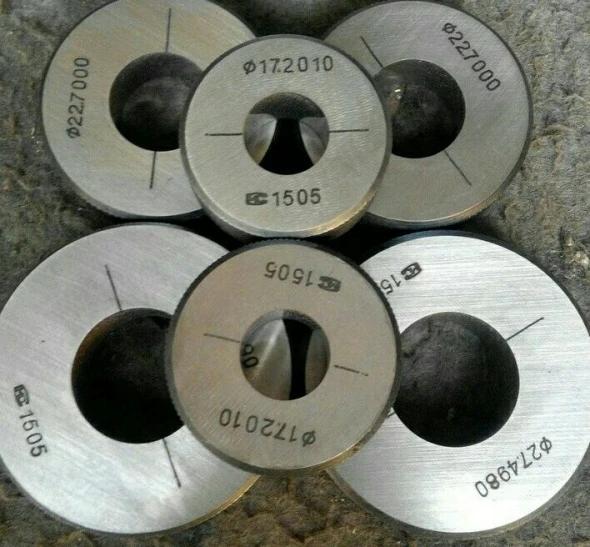
Valvola a farfalla da 1,5 pollici per applicazioni industriali e domestiche
Valvola a Farfalla da 1.5 Pollici Un Elemento Chiave nel Settore Industriale Le valvole a farfalla s

workbench fabrication table for efficient welding projects and workspace organization
The Importance of a Workbench Welding Table in Modern Fabrication In the realm of metalworking and f
 English